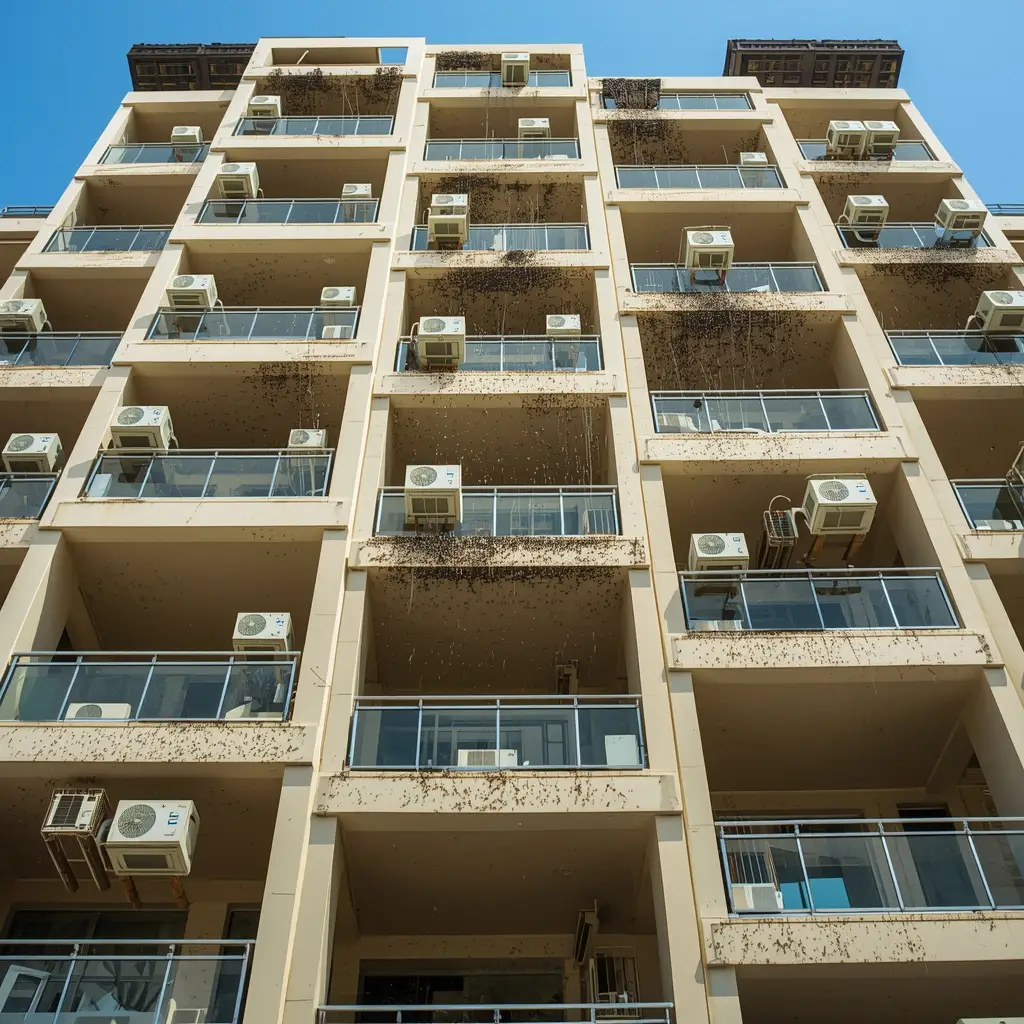
If you live in the UAE, your air conditioner is the most important appliance in your home. You rely on it heavily to survive the scorching summer heat. But outside on your balcony or roof, a silent threat might be destroying your expensive cooling system. Pigeons and other urban birds frequently roost on top of outdoor compressor units. They leave behind a massive mess.
You might wonder if this is just a cosmetic issue. Many property owners ask: does bird droppings damage AC unit Dubai systems permanently? The short answer is an absolute yes.
Bird guano is highly toxic and corrosive. When left uncleaned, it slowly eats away at the vital components of your HVAC system. Ignoring this problem leads to massive repair bills, unexpected breakdowns, and severe health risks for your family.
In this comprehensive guide, we will explore exactly how bird waste destroys cooling equipment. We will look at the financial impact, the specific challenges of the UAE climate, and the best ways to keep your home safe, cool, and bird-free.
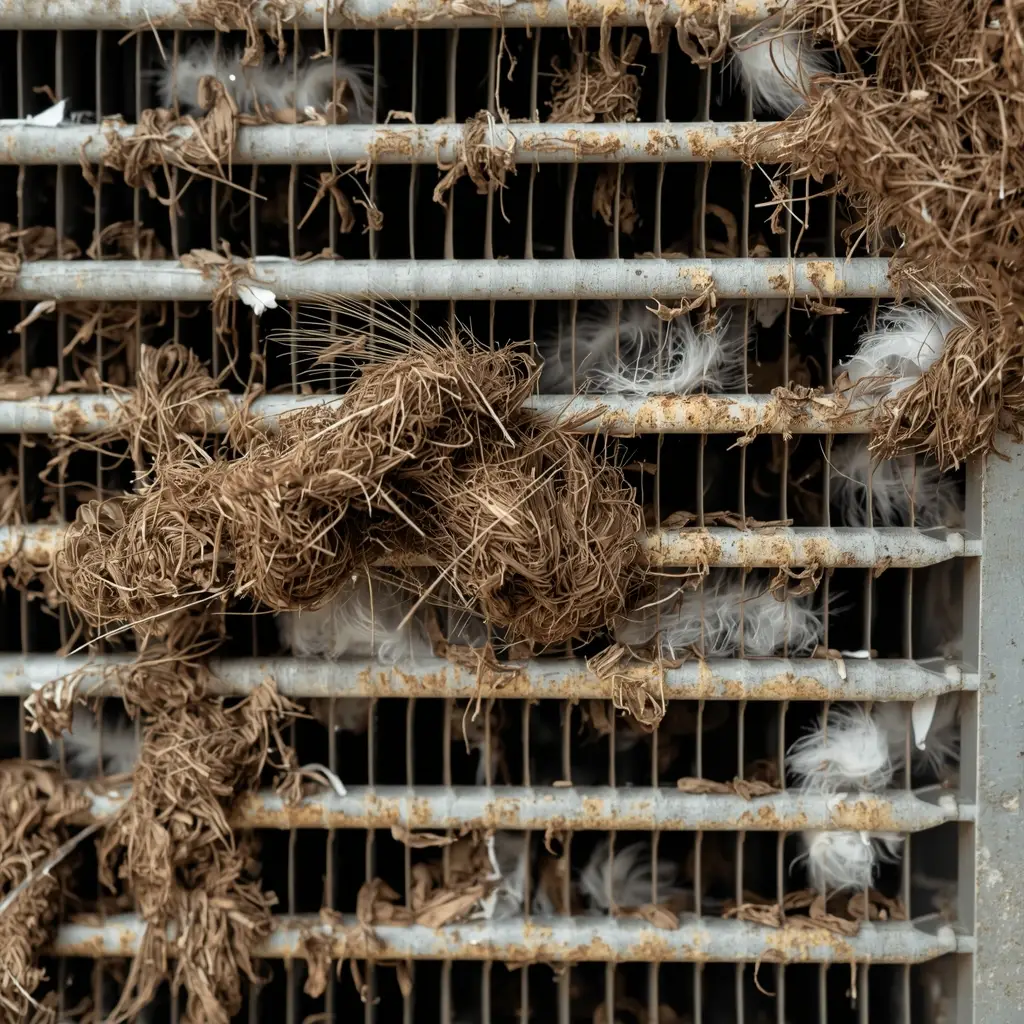
The Hidden Danger of Pigeons in the UAE
Dubai has a thriving population of urban pigeons, mynas, and doves. These birds have adapted perfectly to city life. High-rise apartment balconies, villa rooftops, and commercial buildings provide excellent shelter from predators.
Unfortunately, outdoor AC units serve as the perfect perch. They offer warmth during cooler winter nights and a flat, secure surface high off the ground. When a flock of birds claims your AC unit as their home, they produce an astonishing amount of waste. A single pigeon can create up to 25 pounds of droppings in a year. When this waste accumulates directly on your HVAC equipment, the countdown to a system failure begins.
Does Bird Droppings Damage AC Unit Dubai Systems?
The damage caused by bird waste goes far beyond a dirty exterior. It attacks the structural and mechanical integrity of your cooling system in several distinct ways.
Acidic Corrosion of Metal and Coils
Bird droppings contain high levels of uric acid. This substance has a pH level low enough to burn through building materials. When bird droppings land on your AC unit, the acid immediately starts breaking down the protective paint and coating on the metal casing.
Once the protective layer fails, the acid attacks the bare metal beneath. It causes severe rust and structural decay. Even worse, if the droppings fall inside the unit, the acid corrodes the delicate aluminum fins and copper condenser coils. These coils are crucial for releasing heat. When they corrode, refrigerant can leak, rendering the entire system useless.
Blocked Airflow and Overheating
Your outdoor compressor needs to pull in massive amounts of air to function properly. It features hundreds of tiny metal fins designed to facilitate this airflow. Bird droppings, along with feathers and nesting materials, easily clog these narrow gaps.
When airflow is restricted, your AC unit cannot expel heat efficiently. The compressor must work twice as hard to cool your home. This intense strain causes the motor to overheat. Constant overheating reduces the lifespan of the compressor, often leading to a sudden, catastrophic breakdown on the hottest day of the year.
Electrical Short Circuits
Modern air conditioners rely on complex electrical panels, sensors, and wiring. Birds are not picky about where they relieve themselves. Droppings often slide through the ventilation grates and land directly on exposed electrical components.
Because bird waste contains moisture and highly conductive minerals, it can easily bridge two electrical connections. This causes short circuits. A short circuit will instantly blow fuses, fry expensive circuit boards, and in severe cases, spark an electrical fire.
Health Risks Associated with Bird Guano in HVAC Systems
The damage to your equipment is severe, but the threat to your health is even worse. Bird droppings are essentially toxic waste. They carry over 60 different transmissible diseases.
Airborne Pathogens in Your Home
When bird droppings dry out in the sun, they turn into a fine, powdery dust. If this dust accumulates near the intake valves of your air conditioning system, the fan can pull these microscopic particles inside.
The AC unit then circulates this contaminated air through your ductwork and directly into your living room, bedrooms, and kitchen. Breathing in this dust exposes you and your family to serious respiratory illnesses. Diseases like Histoplasmosis, Cryptococcosis, and Psittacosis all originate from dried bird guano. If you have children, elderly family members, or anyone with asthma in the house, these airborne pathogens pose a critical threat.
Parasites and Pests
Where you find bird droppings, you find parasites. Pigeons carry bird mites, ticks, and fleas. These microscopic pests thrive in the warm, dirty environment surrounding a heavily soiled AC unit. Once they multiply, they can easily migrate through windows, doors, or even the AC ventilation ducts into your home. A bird mite infestation is incredibly difficult and expensive to eradicate once it gets inside.
Financial Impact of Ignoring Bird Droppings
Failing to address a bird problem on your AC unit will drain your wallet. The financial consequences hit you in two major ways.
Spiking Energy Bills
As mentioned earlier, bird waste clogs the condenser fins and insulates the coils. This forces the unit to run longer and harder to reach the target temperature on your thermostat.
When the compressor runs continuously, it consumes massive amounts of electricity. You will likely notice a sharp, unexplained increase in your monthly utility bills. Over the course of a long Dubai summer, this wasted electricity costs you thousands of dirhams.
Costly Parts Replacement
Replacing a burnt-out compressor or a corroded condenser coil is incredibly expensive. In many cases, the cost of repairing severe acid damage rivals the price of buying a brand-new unit. Routine cleaning and preventative bird control cost a fraction of what you will pay for major HVAC repairs.
Why Dubai’s Climate Makes This Worse
The environment in the Middle East accelerates the damage caused by bird waste. The combination of extreme heat and coastal humidity creates the perfect storm for HVAC destruction.
Extreme Heat and Baking Droppings
During the summer, temperatures in Dubai regularly exceed 40 degrees Celsius (104 Fahrenheit). When wet bird droppings land on the metal surface of your AC unit, the intense sun literally bakes the waste onto the casing.
This baking process hardens the guano like concrete. It makes the waste nearly impossible to remove with simple soap and water. You often need harsh chemicals and intense scrubbing to get it off, which can further damage the paint and metal beneath.
High Humidity and Bacterial Growth
Dubai is not just hot; coastal areas experience extreme humidity. Moisture in the air reactivates the dormant bacteria and fungus trapped in dried bird droppings. The constant condensation created by the AC unit itself adds even more moisture to the area. This wet, warm environment breeds mold and bacteria at an alarming rate, compounding the health risks.
How to Protect Your AC Unit from Bird Damage
Now that you understand the severity of the problem, you need to take action. You can protect your investment and your health by implementing effective bird control strategies.
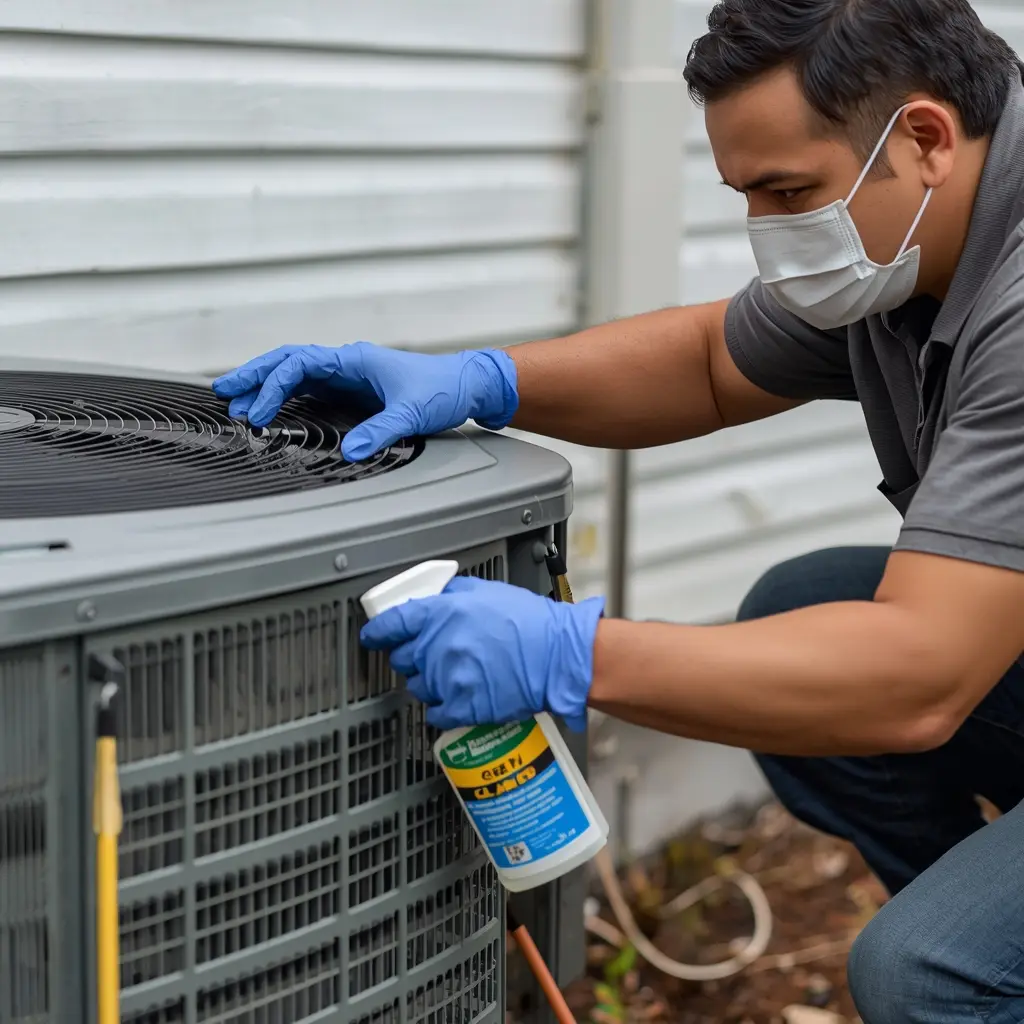
Professional Cleaning and Sanitization
Before you can install any deterrents, you must clean the existing mess. Do not attempt to clean heavy accumulations of dry guano yourself without proper protective gear. You must wear a HEPA-filter mask, heavy gloves, and eye protection.
Ideally, hire a professional HVAC or pest control company to handle the initial cleanup. They use industrial-grade, biocidal cleaners that safely dissolve the hardened waste without damaging the metal coils. They also sanitize the area to kill remaining pathogens.
Installing Bird Spikes
Bird spikes offer a simple, highly effective way to keep birds off your equipment. These strips feature dull, upward-pointing prongs. When installed directly on top of the AC unit, they eliminate any flat space for the birds to land.
Choose high-quality stainless steel spikes with UV-resistant polycarbonate bases. Cheap plastic spikes will become brittle and shatter after just a few months in the Dubai sun.
Using Protective Netting
If your AC unit sits in a recessed balcony or a specific alcove, you can block off the entire area using heavy-duty bird netting. Polyethylene mesh provides a physical barrier that stops birds from getting anywhere near your equipment. Ensure the net is pulled tight so it does not sag or interfere with the airflow of the exhaust fan.
AC Unit Cages
For maximum protection, you can enclose the outdoor compressor in a custom-built wire mesh cage. A well-designed cage allows air to flow freely so the AC functions perfectly. However, the mesh holes are too small for birds to pass through. Ensure the cage has a hinged door or easily removable panels so technicians can access the unit for routine maintenance.
Routine Maintenance Tips for Homeowners
Prevention is always better than cure. Keep a close eye on your outdoor equipment to catch bird problems early.
Check your AC unit at least once every two weeks. Look for fresh droppings, stray feathers, or the early signs of a nest. If you spot a few droppings, clean them immediately with a damp cloth and mild disinfectant before they have a chance to bake into the metal. Birds prefer quiet, undisturbed places. If you frequently visit your balcony and keep the area spotless, pigeons will eventually look for a safer, less active place to roost.
When to Call Professional Bird Control
If you face a massive flock of stubborn pigeons, DIY methods might not cut it. Reflective tape and plastic owls rarely work long-term. If birds have already compromised your AC unit, or if the unit sits precariously on the side of a high-rise building, do not risk your safety.
Call professional bird control experts. They know exactly how to handle the unique challenges of the UAE environment. They will assess the situation, safely clean the hazardous waste, and install permanent, humane deterrents that keep the birds away for good.
Conclusion
So, does bird droppings damage AC unit Dubai systems? Absolutely. From eating away at metal casings to destroying expensive electrical components and spreading airborne diseases, bird waste is a serious threat to your property.
Do not wait until your air conditioner fails in the middle of a July heatwave. Take proactive steps today. Clean up existing messes, install high-quality bird spikes or protective netting, and schedule routine maintenance. By keeping birds off your HVAC equipment, you ensure your home stays cool, safe, and comfortable all year round.For expert help and long-lasting solutions, contact the professionals at birdcontroldubai.com. Protect your property and breathe easy with trusted bird control services in Dubai.